Winner of 2 History Awards From the Kentucky Historical Society
The River Museum
Photography by Jim Cummings
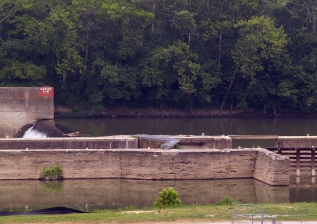
Between 1836 and 1917 a slackwater navagation system of 14 locks and dams was built on the Kentucky River. The Commonwealth of Kentucky constructed the first five, from Carrollton to above Clifton and operated them until after the Civil War. The navigation was federalized in 1880 and The United States Army Corps of Engineers added nine more locks and dams, extending the network to Heidelburg near the confluence of the Three Forks at Beattyville.
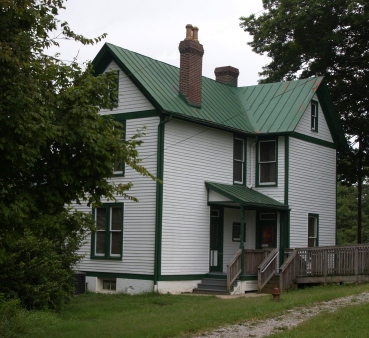
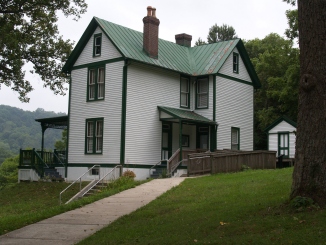
This building houses the museum.
In 1836 few engineering projects this large and this difficult had been attempted in America. It was completed over 80 years and cost over 5 million dollars for the construction alone. The railroads overtook river travel and the project was obsolete even before it was completetd but continued to operate into the 20th century. In 1986 the Corp of Engineers began to pass ownership to the Commonwealth of Kentucky. When Lock No. 10 came under the Commonwealth’s ownership in 1996 the lock buildings (called a reservation) were restored.
Today when you visit the River Museum you can see the restored buildings, learn about the rivers lock and dam system and view the restored house of the Walters family. John Walter came to work as a laborer here in 1906. He subsequently became a lockman then lockmaster as did his son John, Jr. The Walters family resided here from 1906 until John Jr. retired in 1975.
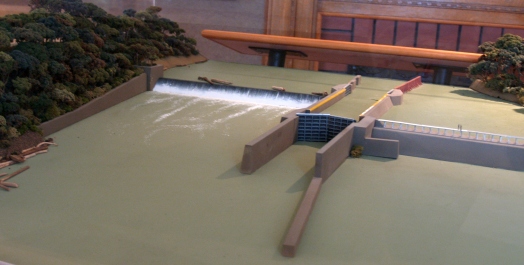
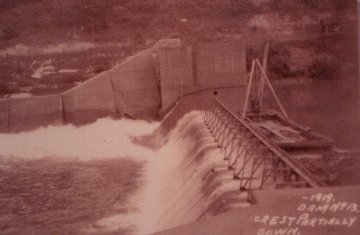
How the locks and dams function.
An early photo from The US Army Corps of Engineers.
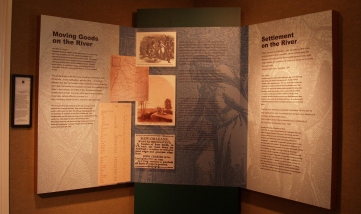
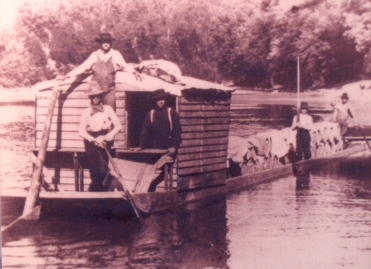
From flatboats to paddlewheelers all plied the Kentucky River.
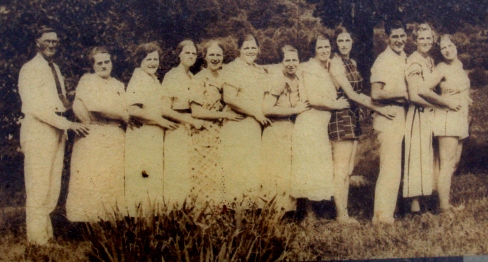
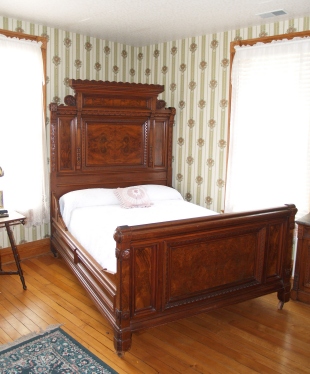
Because two generations of the Walters family lived in this home, they became known in the area as “the dam family.”
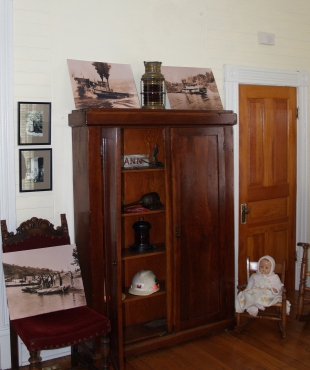
Today many family members have contributed items to restore the home as they remember it.
This building was the Walters Family home.
The Museum is open daily and tours of the home are given on the hour.
The home includes copies of the log book kept by the lockmasters. It includes a daily look at the weather and the boats and travelers that came through the locks.